Exhibition Design
Emmy Côté, Camille Fortin-Dupuis, Aline Grillet, Guillaume Jacques, Stéphanie Jacques, Camille Fortin-Dupuis and Aline Zimmermann Maya Simões
J. Armand Bombardier Museum of Ingenuity, Valcourt, 2019
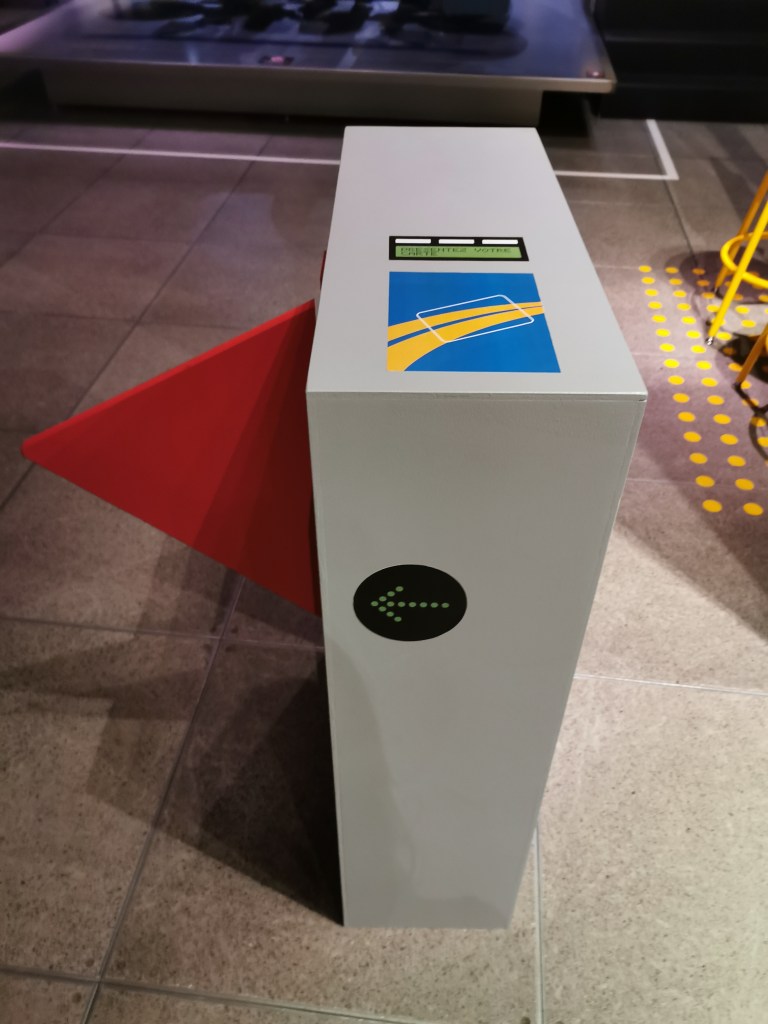
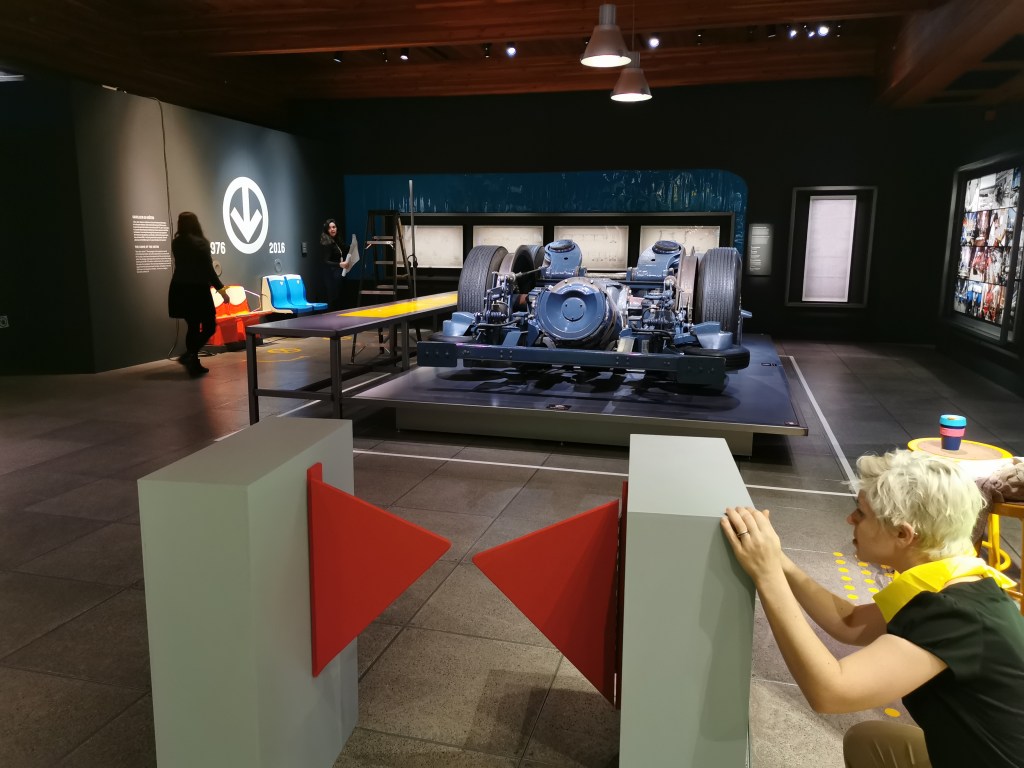
We took on the challenge of revitalizing the Montreal subway bogie exhibit at the J. Armand Bombardier Ingenuity Museum in Canada. In the vision we designed, visitors could experience the subway firsthand by entering through a turnstile, crossing a transparent bridge, interacting with a screen showcasing the bogie’s layers, and accessing audio content, transforming their understanding of the exhibit.
Challenge
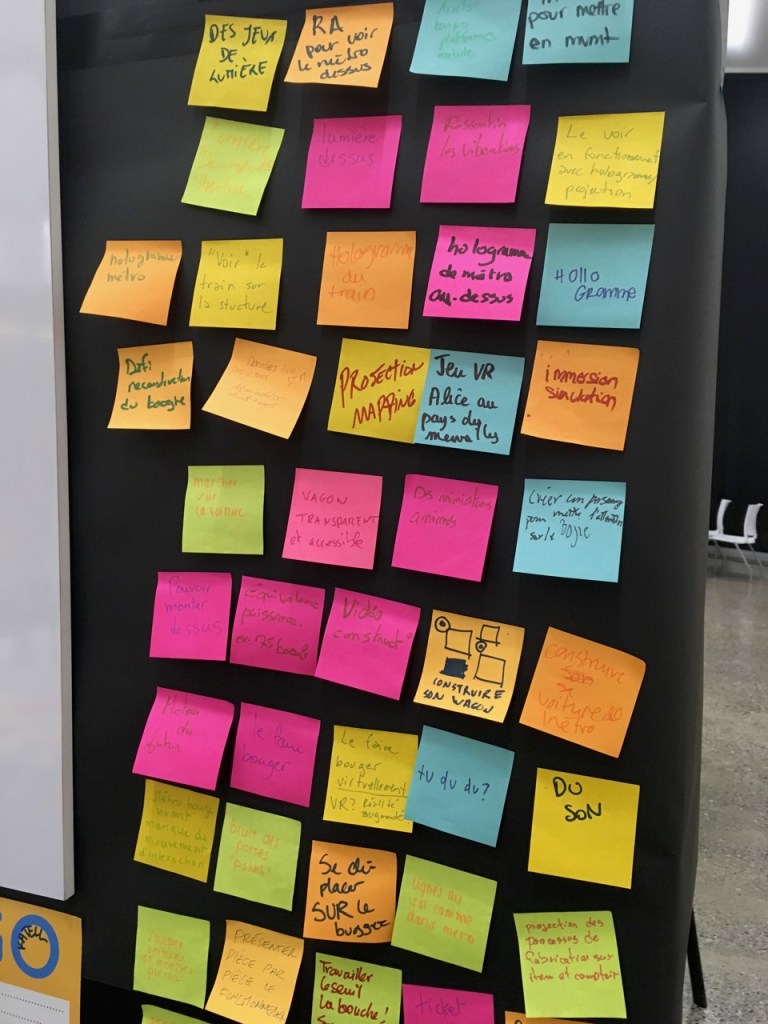
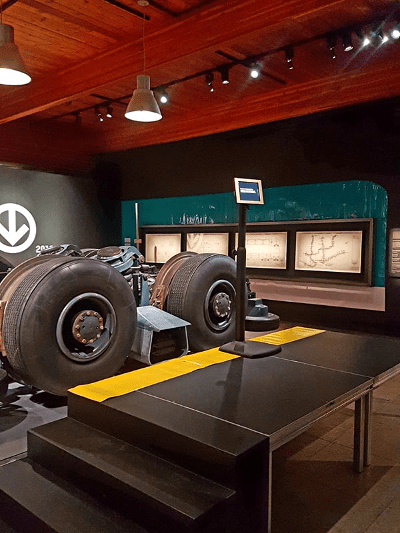
MuséoMix is a 3-day “museum design marathon”. In 2019, my team and I had the task to rethink an exhibit on the Montreal subway bogie (the chassis of the train) in the J. Armand Bombardier Ingenuity Museum in Valcourt, Québec, Canada. Although the metro bogie is an imposing structure, visitors spent little to no time in this room, and some didn’t even understand what they were seeing. We tried to understand why and come up with ideas to change that.
What we did
After conducting numerous brainstorming and bodystorming sessions, we successfully conceptualized a captivating idea to immerse visitors in the rich experience of the Montreal Bogie. We prototyped a series of interactive installations, including a subway entrance terminal equipped with sensory outputs, captivating audio capsules recounting the history of the metro, and informative explanations of its intricate mechanisms displayed on an interactive iPad interface. Additionally, we enhanced the exhibit by incorporating a footbridge adjacent to the train’s bogie and integrating signage elements that harmoniously conveyed the essence of the Montreal Metro.
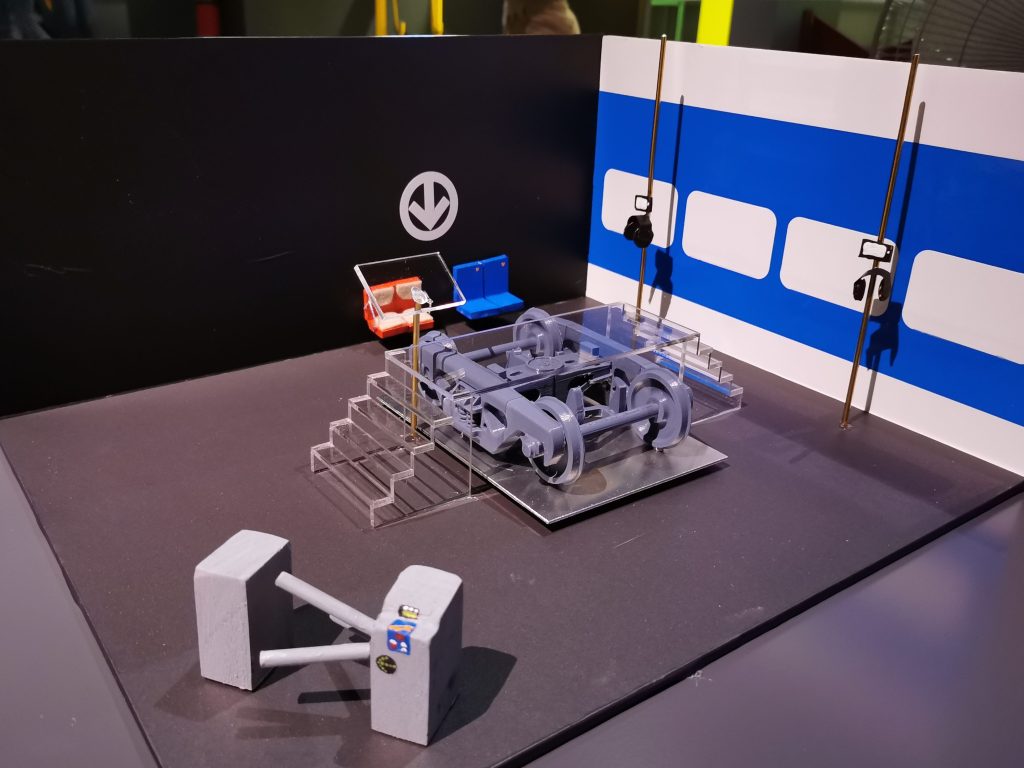
Because of the nature of the project, most of the installations were early prototypes and mockups. In addition, we meticulously crafted a scaled-down model, providing a visual representation of how the room would ultimately appear with these structural elements in place.
How it works
Visitors enter the exhibit through a subway turnstile and feel the wind in their faces. A bridge offers views of the bogie from above, where visitors would stand if they embarked on the subway. On the bridge, an interactive screen shows the several layers that compose the chassis, allowing visitors to compare with what they see. Finally, audio content is available at stations resembling metro stanchions. See a video tour of the prototype:
 Aline Zimmermann Maya Simões